May 19, 2026 Tags: plastic surgery trends, Facelift, Nashville plastic surgery, facial rejuvenation, deep plane facelift, preventative surgery
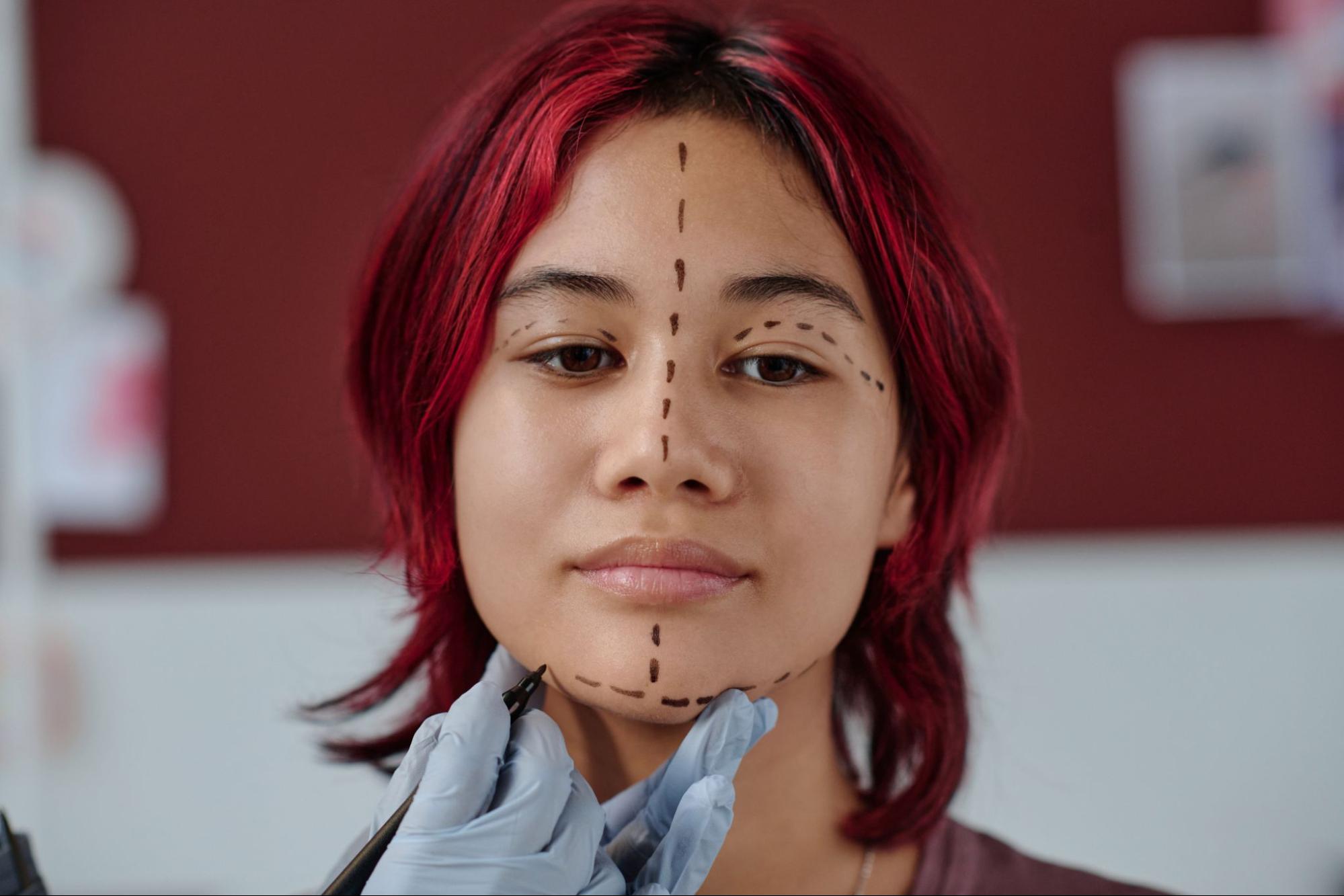
Facelifts have traditionally been associated with patients in their 60s and beyond — a procedure reserved for significant, visible aging. That perception is shifting. A growing number of patients in their late 30s and 40s are choosing deep plane facelifts not as a response to dramatic change, but as a proactive step to preserve their natural appearance and delay more extensive intervention later on.
It is a meaningful trend, and understanding what is driving it helps clarify whether earlier surgical intervention might make sense as part of a long-term aesthetic plan.
A deep plane facelift is a surgical technique that works beneath the superficial muscle layer of the face — the SMAS — to reposition the deeper soft tissue structures rather than simply tightening the skin. This approach produces results that look more natural and tend to last longer than techniques that address only the superficial layers. Because the underlying architecture is repositioned rather than just pulled, the face retains its natural expression and movement.
The deep plane technique has been refined significantly over the years, and in skilled hands it can be tailored to younger patients who want subtle, structural improvement rather than a dramatic transformation.
Several factors are converging. Patient education has expanded — people understand more about how facial aging works and are thinking strategically about when to intervene. There is also a growing awareness that addressing structural changes early, before they compound, often produces more natural results and requires less correction than waiting.
The effect of GLP-1 weight loss medications has also played a role. Patients who have lost significant weight are experiencing accelerated facial aging due to volume loss, and some are turning to surgical options earlier as a result. Social media visibility has normalized aesthetic surgery at younger ages, reducing the stigma that once surrounded it.
Not necessarily — and this is an important nuance. The right time for a facelift depends on the individual patient’s anatomy, the degree of change that is present, and their long-term goals. A deep plane facelift performed on a patient who does not yet have sufficient laxity to benefit from it is not the right approach regardless of age.
What has changed is the willingness to consider surgery earlier when the anatomy genuinely supports it. For some patients, that is in their late 40s. For others, waiting until their 60s is entirely appropriate. The key is that age alone is not the determining factor — anatomy and goals are.
The shift toward earlier surgical intervention reflects a broader philosophy: thoughtful, timed procedures that preserve natural features and age gracefully, rather than waiting for dramatic change and then attempting major correction. Learn more about why patients under 50 are choosing deep plane facelifts from Plastic Surgery Practice.
If you are considering whether a facelift might be appropriate for you now or in the future, contact our Nashville office to schedule a consultation with Dr. Wendel.