July 28, 2026 Tags: laser treatment, spf, Nashville plastic surgery, skin rejuvenation, medical grade skincare, skinhaus beauty, skincare routine
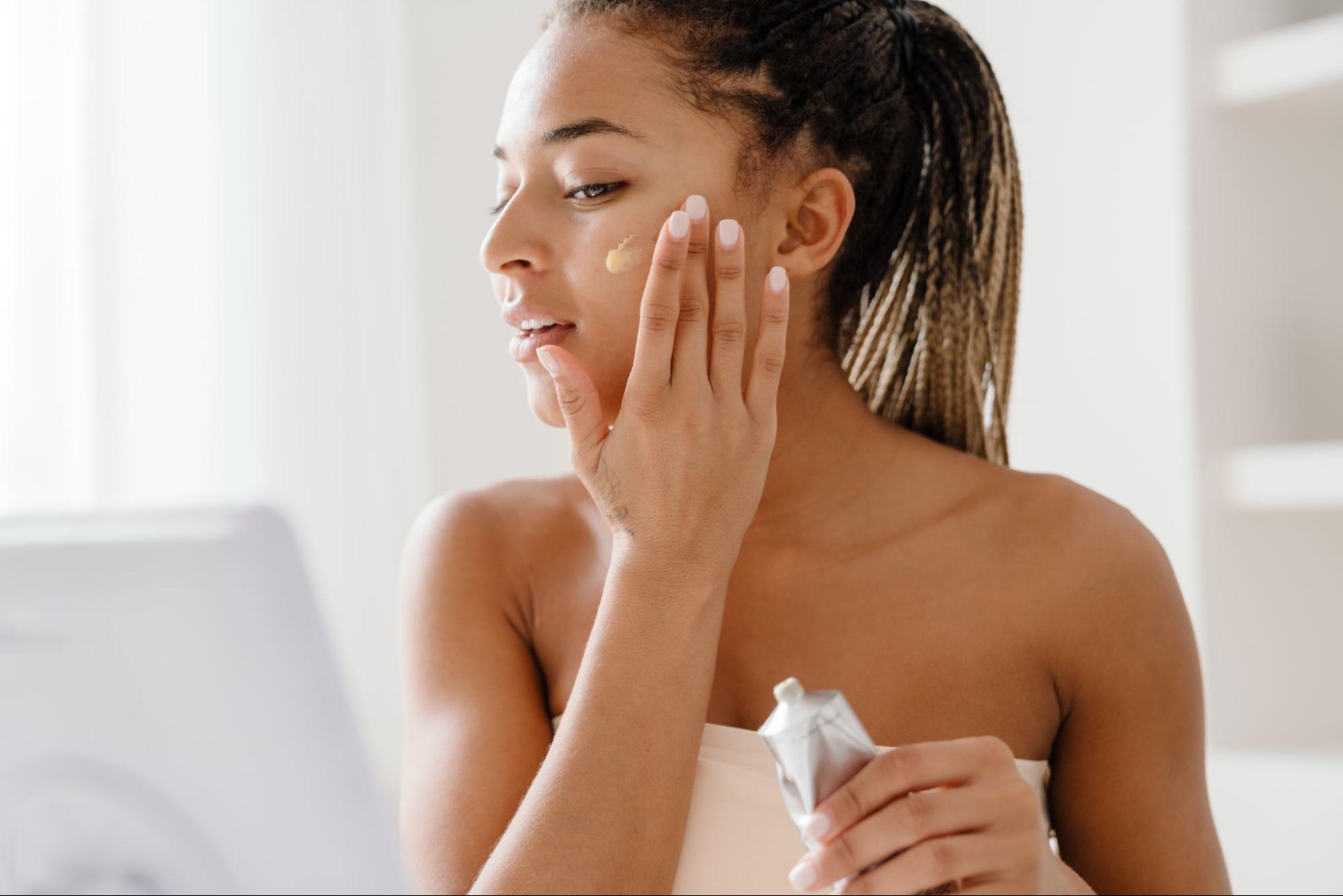
Walk into any drugstore, scroll through any social media feed, and it becomes clear immediately: the skincare market is overwhelming. Thousands of products, dozens of active ingredients, and an endless stream of claims make it genuinely difficult to know where to start — or whether what you are already using is actually doing anything.
The truth is that not all skincare products are created equal, and the difference between over-the-counter options and medical-grade formulations is more meaningful than many patients realize. Here is a practical breakdown of how to think about your skin type, what ingredients actually matter, and why the source of your skincare products is worth paying attention to.
Effective skincare starts with an honest assessment of your skin. The major categories — oily, dry, combination, sensitive, and normal — are a useful starting point, but they rarely tell the complete story. Most patients have skin that shifts seasonally, responds to hormonal changes, or has specific concerns like hyperpigmentation, rosacea, or acne that require targeted treatment rather than a one-size-fits-all routine.
Before investing in a new skincare regimen, it is worth considering not just texture (oily vs. dry) but also what your primary concerns are: tone, texture, fine lines, clogged pores, sensitivity, or something else. Products that address everything often excel at nothing. A targeted, layered routine built around your specific skin will outperform a collection of multi-tasking products every time.
The American Academy of Dermatology offers a clear overview of skin care basics by skin type that is worth reviewing before building or rebuilding your routine.
The phrase “medical-grade” gets used loosely, but it has a specific meaning in a proper clinical context. Medical-grade skincare products contain active ingredients at concentrations that are clinically validated to produce a measurable effect on the skin. Over-the-counter products are formulated within limitations set by the FDA for non-prescription use, which often means lower concentrations of key actives.
The delivery system matters as well. How an ingredient is carried into the skin affects how much of it reaches the target layer and how effectively it works. Medical-grade formulations are typically developed with delivery systems that improve penetration and stability — meaning the actives remain effective rather than degrading before they can work.
This is one of the reasons why retinol purchased at a pharmacy behaves differently from a prescription-strength retinoid or a medical-grade retinol formulated for clinical outcomes. The concept is similar across categories: vitamin C, niacinamide, peptides, and growth factors all perform differently depending on concentration and formulation quality.
SKINHAUS Beauty carries a medical-grade skincare line developed specifically to complement the treatments and procedures performed at Dr. Wendel’s practice. To learn more about these products, visit the SKINHAUS Beauty medical-grade skincare page.
For most patients, an effective daily skincare routine does not need to be complicated. The core elements — a gentle cleanser, an active treatment appropriate for your skin concern, a moisturizer, and SPF — cover the foundation. Everything else builds from there.
A few practical principles that hold across skin types:
SPF is non-negotiable. Sun damage is the single greatest driver of premature skin aging, hyperpigmentation, and uneven tone. A broad-spectrum SPF 30 or higher, worn daily regardless of the weather, is the most impactful skincare habit anyone can develop.
Retinoids remain the gold standard for anti-aging. Whether in the form of a medical-grade retinol or a prescription retinoid, consistent use over time produces well-documented improvements in fine lines, texture, and skin renewal. Start low and build gradually to avoid irritation.
Consistency matters more than novelty. Rotating through trending products rarely produces better results than committing to a well-formulated routine over time. Most active ingredients require weeks to months of consistent use before meaningful change is visible.
For patients who are also receiving in-office treatments — whether laser treatments like BBL or Halo, Morpheus8, microneedling, or chemical peels — the right skincare at home meaningfully extends and enhances those results. Your provider can recommend specific products that complement the treatments you are receiving and help protect your skin during the recovery period.
SKINHAUS Beauty’s medical-grade product line was developed with this in mind — formulations that work alongside the clinical treatments offered at the practice, not in competition with them. To learn more about the laser treatments offered at the practice, explore our laser treatment services.
Whether you are starting fresh with your skincare routine or looking to optimize what you are already doing, the team at SKINHAUS Beauty can help. To schedule a skincare consultation or learn more about the products available, contact us in Nashville.