October 7, 2026 Tags: facial contouring, face procedures, jawline definition, buccal fat removal, Nashville plastic surgery
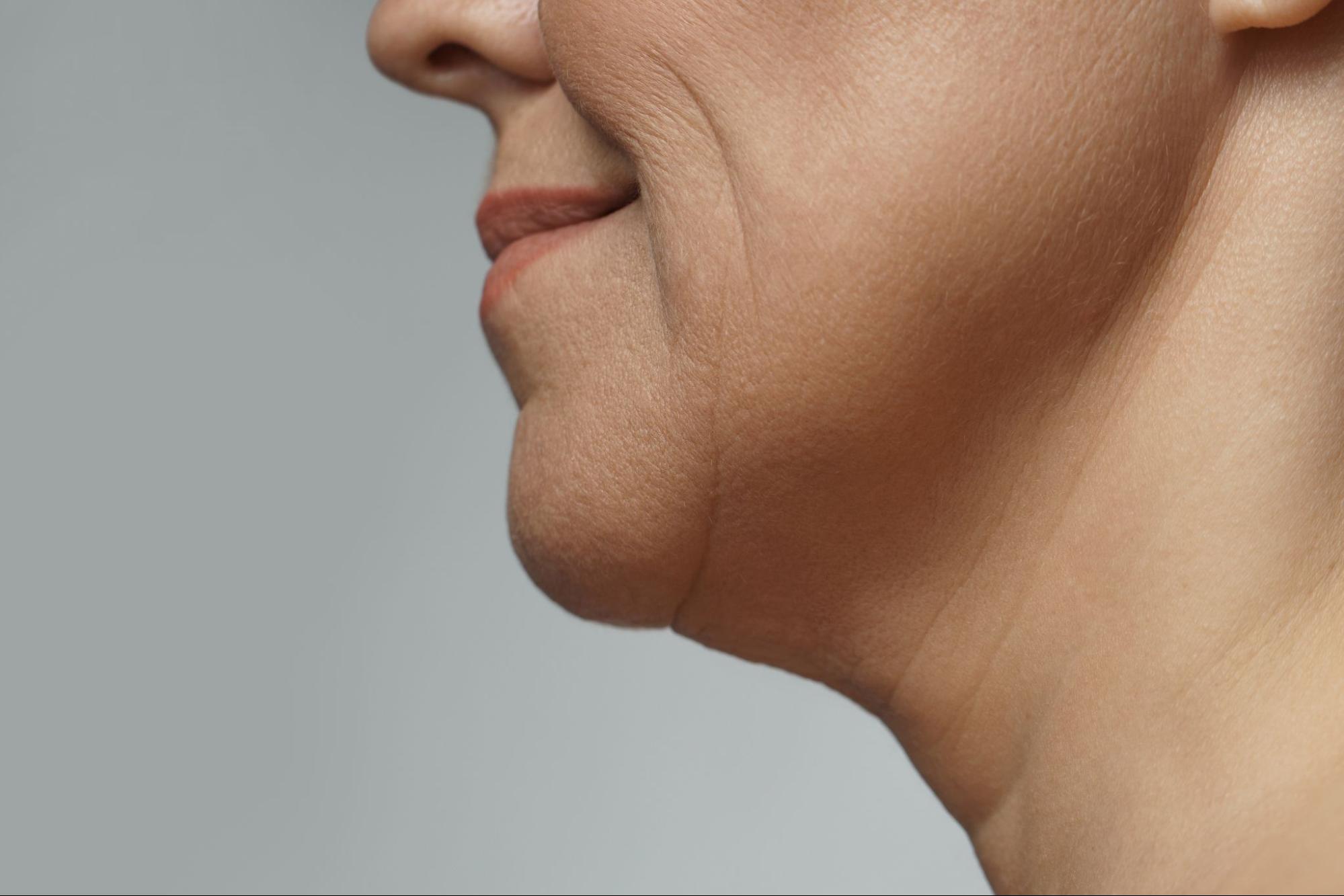
Facial fullness affects everyone differently, and for some patients, it concentrates specifically in the lower cheeks, giving the face a rounder appearance no matter how lean the rest of the body is. That fullness often comes from the buccal fat pad, a naturally occurring pocket of fat located in the cheek hollow. Buccal fat removal, a permanent surgical procedure to reduce these pads, has become one of the more talked-about facial contouring procedures in recent years.
According to the American Society of Plastic Surgeons, the goal of buccal fat removal is to thin the cheeks specifically in the hollow area beneath the cheekbone, creating a more sculpted, defined lower face. You can read more in ASPS’s overview of buccal fat removal.
Buccal fat removal is typically performed under local anesthesia, though it can be combined with general anesthesia when paired with other facial procedures. A small incision is made inside the mouth, near the upper molars, allowing the surgeon to access and remove a portion of the buccal fat pad. Because the incision is internal, there is no visible external scarring. The procedure itself usually takes about 30 minutes.
Full details on how the procedure is customized to each patient’s facial structure are available on the buccal fat removal procedure page.
The ideal candidate for buccal fat removal has a naturally round or full lower face that persists regardless of weight, and is looking for more definition along the cheeks and jawline. This procedure is not right for everyone. Patients with naturally thin or narrow faces are generally not good candidates, since removing additional fat can create a gaunt or overly hollow appearance, particularly as natural volume loss continues with age. A thorough consultation is essential to determine whether a patient’s facial structure and long-term aging pattern make them a good fit.
To see how buccal fat removal fits alongside other facial contouring options, visit the face procedures page.
Recovery from buccal fat removal is relatively quick compared to many facial procedures. Patients typically experience swelling and some bruising for the first week, with most swelling resolving within two to three weeks. Because the incision is inside the mouth, patients are given specific rinsing instructions to keep the area clean while it heals. Final results become apparent gradually as swelling fully resolves, typically within one to six months, since some of the initial change is masked by post-surgical swelling.
Because the effects of buccal fat removal are permanent, it’s a decision worth taking time with.
To find out whether buccal fat removal is right for your facial structure, schedule a consultation with Dr. J. J. Wendel in Nashville at our contact page.