October 28, 2026 Tags: abdominoplasty, body contouring, diastasis recti, Nashville plastic surgery, postpartum surgery, tummy tuck
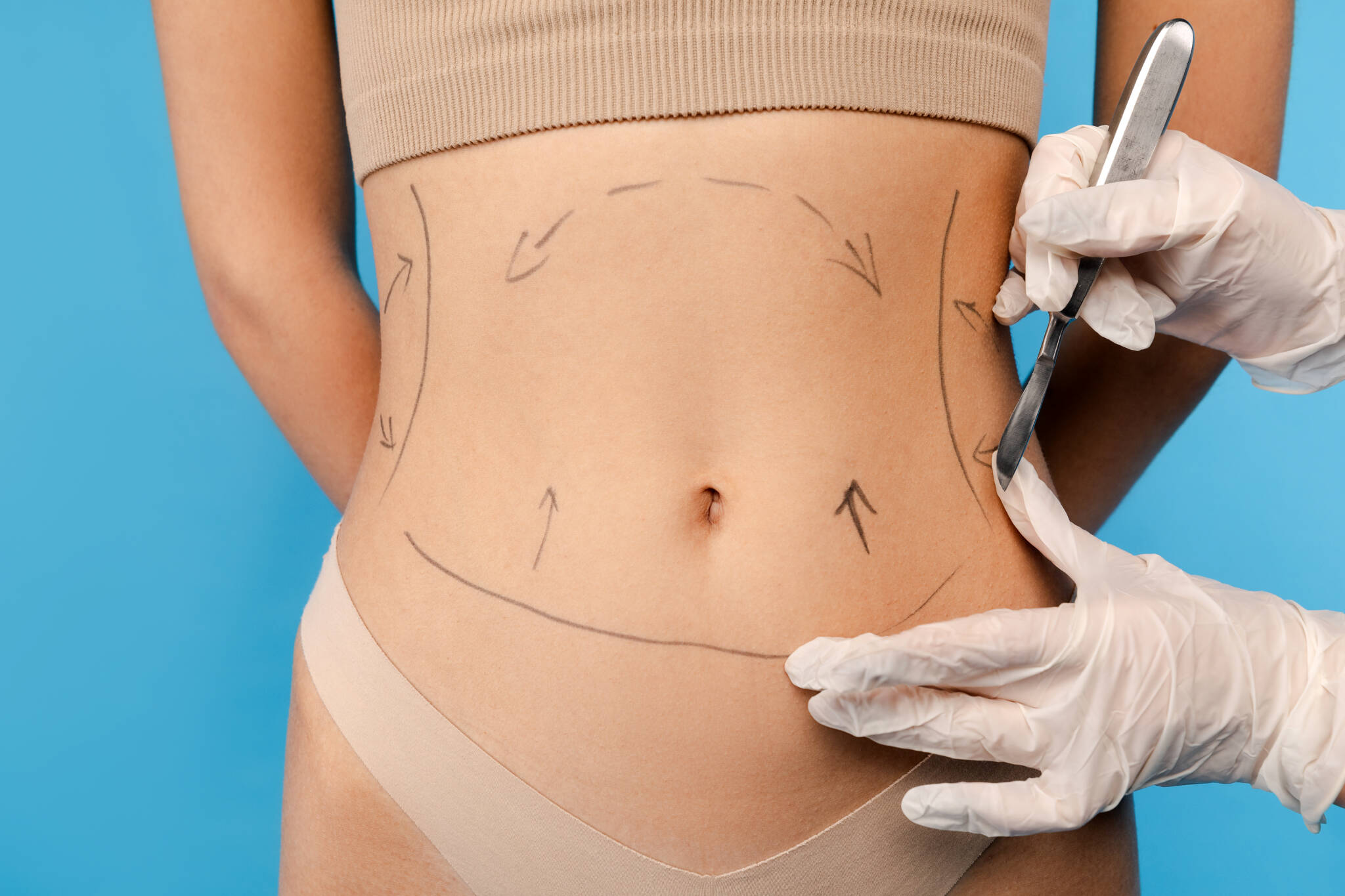
Most patients think of a tummy tuck primarily as a skin-removal procedure, and while that’s part of it, one of the most functionally important aspects of the surgery often gets overlooked: repairing the abdominal muscles themselves. For many patients, especially those who have been pregnant, the muscles running down the center of the abdomen separate, a condition called diastasis recti, and no amount of core training can fully close that gap. A tummy tuck is often the only way to correct it.
According to a clinical review published on the National Institutes of Health’s StatPearls resource, abdominoplasty is designed to improve abdominal contour by removing excess skin and fat and, when needed, tightening the underlying rectus muscles, making it one of the most frequently performed body contouring procedures worldwide. You can read the full clinical overview here.
Diastasis recti is a separation of the left and right sides of the rectus abdominis muscle, the paired muscle that runs vertically down the center of the abdomen. It commonly develops during pregnancy as the abdominal wall stretches to accommodate a growing uterus, though it can also occur with significant weight fluctuation. The result is often a persistent bulge or pooch in the midsection that remains regardless of how much a patient exercises or how little body fat they carry, because the issue is structural, not related to fat.
During a tummy tuck, once excess skin has been removed, the surgeon sutures the separated rectus muscles back together along the midline, restoring the structural support of the abdominal wall. This muscle repair is a key reason a tummy tuck can achieve a flatter, firmer abdominal contour that liposuction or skin removal alone cannot replicate, and it can also improve core strength and posture for patients who have been compensating for the separation for years.
A full breakdown of how the procedure is customized to each patient’s degree of skin laxity and muscle separation is available on the tummy tuck procedure page.
The best candidates for a tummy tuck are patients who are at or near a stable weight and have finished having children, since future pregnancies can undo the muscle repair. Patients with visible bulging, doming, or a persistent pooch that doesn’t respond to core exercises are frequently good candidates for muscle repair specifically, even if their skin laxity is relatively mild.
To see how a tummy tuck compares to other body contouring options, visit the body procedures page.
Because muscle repair is involved, recovery from a full tummy tuck is more significant than from a skin-only procedure. Most patients take two weeks off from work, with activity restrictions and a compression garment for four to six weeks while the muscle repair heals. Most patients describe the improvement in core stability, not just appearance, as one of the most meaningful and underappreciated parts of the recovery.
To find out whether a tummy tuck could resolve muscle separation you’ve been living with, schedule a consultation with Dr. J. J. Wendel in Nashville at our contact page.