July 14, 2026 Tags: PRP treatments, Nashville plastic surgery, platelet-rich plasma, hair restoration, non-surgical treatments, regenerative aesthetics, hair thinning
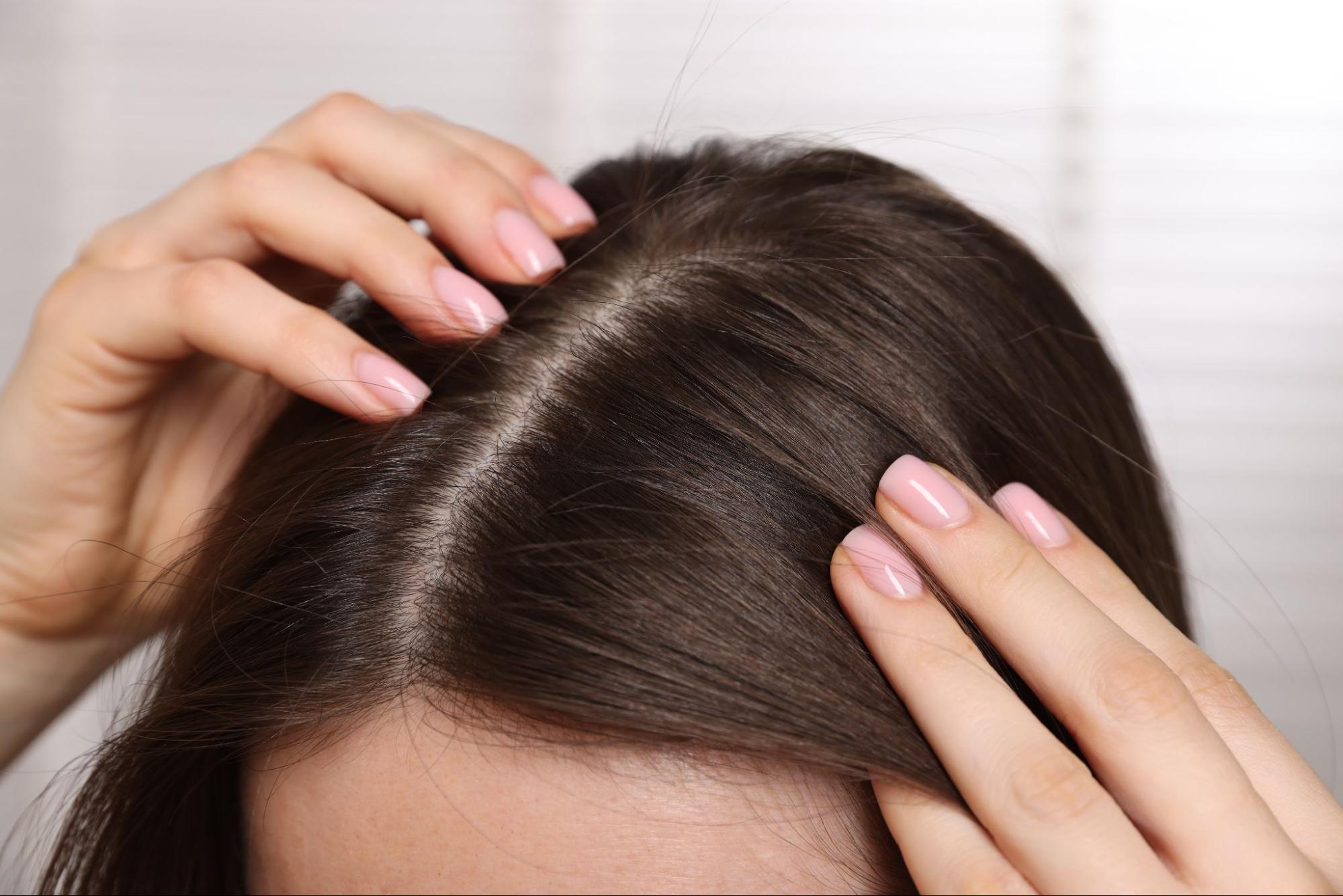
Hair thinning affects more people than most realize — and for many, it carries a weight that goes well beyond the cosmetic. Whether it is a receding hairline, diffuse thinning across the scalp, or patches that have become harder to conceal, hair loss affects confidence in a way that can be difficult to articulate to someone who hasn’t experienced it.
PRP therapy for hair restoration has emerged as one of the most compelling non-surgical options available, offering a biologically driven approach that works with the body’s own repair mechanisms rather than introducing synthetic compounds. Here is a clear-eyed look at what it involves, what the research shows, and who tends to benefit most.
PRP stands for Platelet-Rich Plasma — a concentration of growth factors derived from the patient’s own blood. The process begins with a simple blood draw. The blood is then spun in a centrifuge to separate and concentrate the platelets, which are rich in proteins that stimulate cell regeneration and tissue repair. That concentrated plasma is then injected directly into the areas of the scalp where thinning is occurring.
The growth factors delivered through PRP are thought to stimulate dormant or weakened hair follicles, extend the active growth phase of the hair cycle, and improve the overall health of the scalp environment. The treatment uses nothing foreign — only the patient’s own biology.
To learn more about how PRP treatments work and what they can address beyond hair restoration, visit the PRP treatments page.
The evidence base for PRP in hair restoration has grown substantially. A review published in a peer-reviewed meta-analysis found that patients receiving PRP injections showed a significantly increased hair count per square centimeter compared to control groups, with minimal side effects reported across studies. A randomized placebo-controlled trial found measurable improvements in hair density and follicle health following a series of three monthly treatments. Research also suggests meaningful improvements in patient quality of life and confidence following treatment.
That said, PRP is not a uniform solution. Results vary depending on the type and extent of hair loss, how early treatment begins, and how consistently the patient follows through with maintenance. Patients with androgenetic alopecia — the most common type of pattern hair loss in both men and women — tend to see the most consistent benefit. For more on the research behind PRP and hair density, the NIH’s published meta-analysis is a useful reference.
PRP for hair restoration works best for patients in earlier stages of hair thinning, before follicles have become fully inactive. It is used for both male and female pattern hair loss, as well as for some patients experiencing stress-related or diffuse thinning.
Patients with completely bald areas where the follicles are no longer active are less likely to see significant regrowth — PRP is better understood as a treatment that strengthens and reactivates what is already there, rather than generating new follicles from scratch. A thorough consultation and scalp evaluation is the appropriate starting point for determining whether you are a good candidate.
If you have been exploring hair restoration options for women specifically, our blog post on why more women are seeking hair restoration treatment is also worth reading.
A typical PRP hair restoration protocol involves an initial series of three to four sessions spaced four to six weeks apart, followed by maintenance treatments every three to six months depending on the patient’s response. Sessions take approximately 45 to 60 minutes from blood draw to completion.
Patients experience mild discomfort during the injections, which is typically managed with a topical anesthetic applied to the scalp beforehand. There is no downtime — most patients return to their normal routine the same day, though some redness or tenderness at the injection sites is normal for a day or two.
Results develop gradually. Most patients begin noticing reduced shedding within the first couple of months, with visible improvement in density and thickness typically emerging between three and six months into treatment.
To schedule a consultation and learn whether PRP hair restoration is the right fit for your concerns, contact Dr. J.J. Wendel Plastic Surgery in Nashville.