April 27, 2026 Tags: plastic surgery trends, body contouring, Nashville plastic surgery, fat grafting, GLP-1 weight loss, fat banking
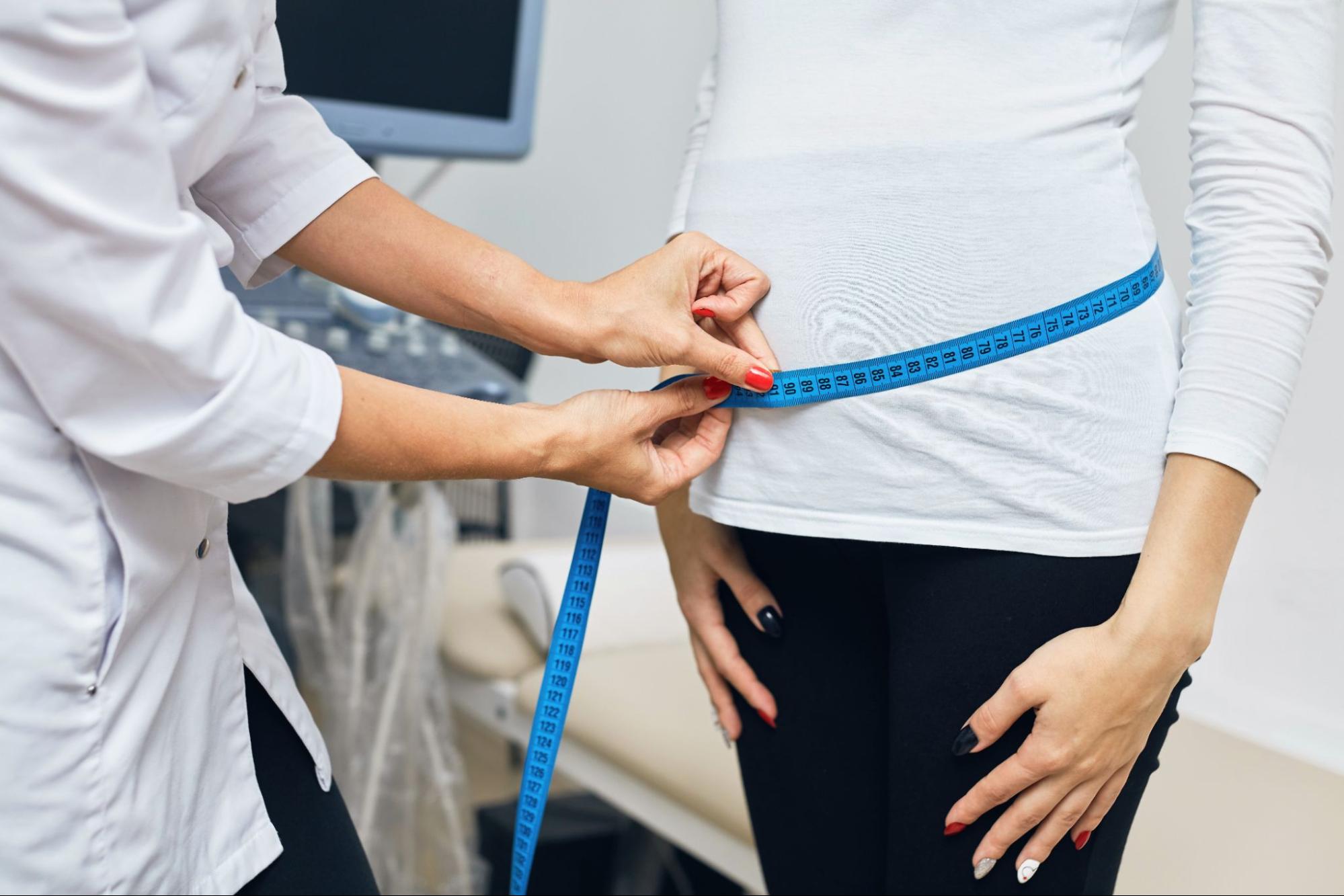
As GLP-1 weight loss medications continue to reshape the aesthetic landscape, a new concept is gaining traction among patients planning significant weight loss: fat banking. The idea is straightforward — harvest and store a patient’s own fat before they begin a weight loss program so that it can be used later for fat grafting procedures once their weight has stabilized.
It is an emerging approach that reflects how much the intersection of weight loss and plastic surgery has evolved, and it is worth understanding what it involves, who it might benefit, and what the realistic considerations are.
One of the well-documented effects of significant weight loss — particularly the rapid weight loss that can accompany GLP-1 medications — is facial volume loss. Patients who lose a substantial amount of weight often find that their face looks more gaunt or aged, with hollowed cheeks, temples, and under-eye areas. This is sometimes called “Ozempic face,” though the phenomenon is not unique to any particular medication.
Fat grafting — transferring fat from one area of the body to another — is one of the most natural and long-lasting ways to restore lost facial volume. The challenge is that patients who have lost significant weight may not have enough accessible fat to harvest in adequate quantities. Fat banking addresses this by collecting fat while it is still available, before weight loss reduces the donor supply.
Fat banking typically involves a liposuction procedure to harvest fat from areas where it is present, followed by careful processing and cryogenic storage of the tissue. When the patient is ready — typically after their weight has stabilized and their body composition has settled — the stored fat can be reintroduced through grafting to restore volume in the face or other areas.
It is worth noting that fat banking is still an emerging practice, and not all facilities offer it. The long-term viability of stored fat and the outcomes of delayed grafting are areas where research is ongoing. Patients considering this approach should have a detailed conversation with a board-certified plastic surgeon about what is realistic and what the process would look like for their specific situation.
Fat banking is most relevant for patients who are planning significant weight loss and are also interested in fat grafting procedures afterward. It is not a necessary step for most patients, and many people achieve excellent results with fat grafting performed after weight loss using fat that is still available at that time. The right approach depends on individual anatomy, weight loss goals, and overall aesthetic plan.
The key takeaway is that patients considering weight loss with GLP-1 medications benefit from thinking ahead about the aesthetic changes that may accompany it — and discussing those possibilities with a plastic surgeon early in the process. Learn more about how post-weight-loss body contouring is evolving in 2026 from Dr. Karen Horton’s blog.
If you are considering weight loss and want to understand your options for maintaining or restoring your appearance, contact our Nashville office to schedule a consultation with Dr. Wendel.