June 30, 2026 Tags: Botox, Liquid Facelift, Dermal Fillers, non-surgical facelift, Nashville plastic surgery, facial rejuvenation, injectable treatments
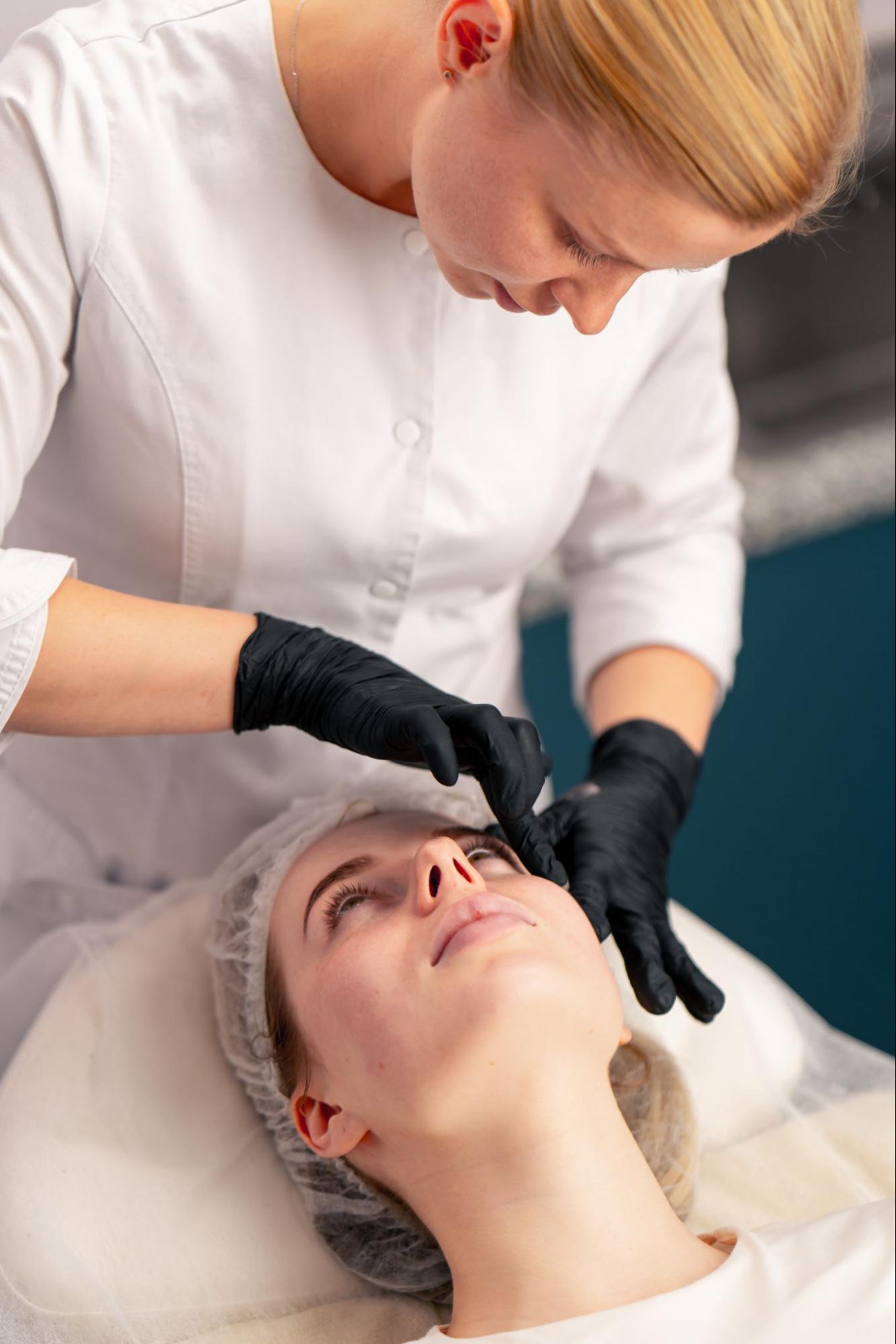
The term “liquid facelift” gets used a lot in aesthetic medicine — but it is one of those phrases that means different things depending on who is saying it. For patients exploring non-surgical options for facial rejuvenation, understanding what a liquid facelift actually is, what it can realistically accomplish, and where its limitations lie is essential before committing to treatment.
A liquid facelift is a non-surgical facial rejuvenation approach that uses a combination of injectable treatments — typically dermal fillers and neuromodulators like Botox — to restore volume, smooth lines, and improve facial contour without surgery. Rather than a single product or technique, it is a strategic, personalized treatment plan designed to address multiple signs of aging in a single or series of appointments.
The approach typically involves using fillers to restore volume in areas like the cheeks, temples, and under-eye hollows where fat has been lost over time, defining and lifting the jawline, softening deep folds around the nose and mouth, and using neuromodulators to relax dynamic wrinkles in the upper face. When planned thoughtfully, these treatments work together to create a more refreshed, balanced appearance.
For patients with early to moderate signs of aging — volume loss, softening of facial contours, fine to moderate lines — a liquid facelift can produce genuinely meaningful improvement. The results can look natural and refreshed when done well, and because no surgery is involved, there is minimal to no downtime.
The key word is “strategic.” A liquid facelift is not simply adding filler in multiple areas. It requires a thorough understanding of facial anatomy, how volume loss and descent interact, and how different products behave in different tissues. The provider’s skill and approach matter enormously in determining whether results look natural or overdone.
A liquid facelift has real boundaries, and being honest about them is important. Injectables cannot address structural laxity — the sagging of the SMAS muscle layer and skin that develops with more significant aging. They cannot tighten loose neck skin, eliminate jowling that has become pronounced, or replicate the lift that a surgical facelift provides.
Patients with moderate to significant laxity who pursue injectable treatments hoping to avoid surgery often find themselves using more and more product over time to approximate a result that a surgical procedure would achieve more effectively and more durably. This is part of what has driven the trend of filler dissolving and surgical conversion in recent years.
A liquid facelift is best understood as a genuinely effective option for the right patient at the right stage of aging — not as a permanent alternative to surgery for patients who have crossed a threshold where surgery is actually the better fit.
The best way to determine whether a liquid facelift, a surgical facelift, or some combination of approaches is appropriate for your goals is a thorough consultation with a board-certified plastic surgeon who performs both. That perspective — being able to evaluate what injectables can and cannot achieve for your specific anatomy — is what allows for an honest, personalized recommendation.
Dr. J.J. Wendel offers both surgical and non-surgical facial rejuvenation and approaches each patient with a clear-eyed assessment of what will actually deliver the results they are looking for. To schedule a consultation at our Nashville office, contact us today.