April 20, 2026 Tags: PRP treatments, Nashville plastic surgery, hair restoration, female hair loss, thinning hair, non-surgical treatments
Hair restoration has historically been associated with male patients — and for a long time, the procedures available were largely designed around male pattern hair loss. That is changing. Women now account for a growing share of hair restoration patients, and the procedures and treatment approaches available to them have expanded significantly to meet that demand.
According to the American Academy of Facial Plastic and Reconstructive Surgery, the gap between male and female hair restoration patients is narrowing steadily, and surgeons across the country are reporting a meaningful increase in women seeking treatment for thinning hair and early hair loss.
Female hair loss is more common than many people realize, and it presents differently than male pattern baldness. Women are more likely to experience diffuse thinning across the scalp rather than a receding hairline or isolated bald patches. Common causes include hormonal changes, genetics, postpartum shedding, thyroid conditions, nutritional deficiencies, and the natural aging process.
Many women wait longer than they should before seeking treatment because hair loss in women remains less openly discussed and less visibly normalized than in men. But early intervention tends to produce better outcomes — and that awareness is part of what is driving more women to explore their options sooner.
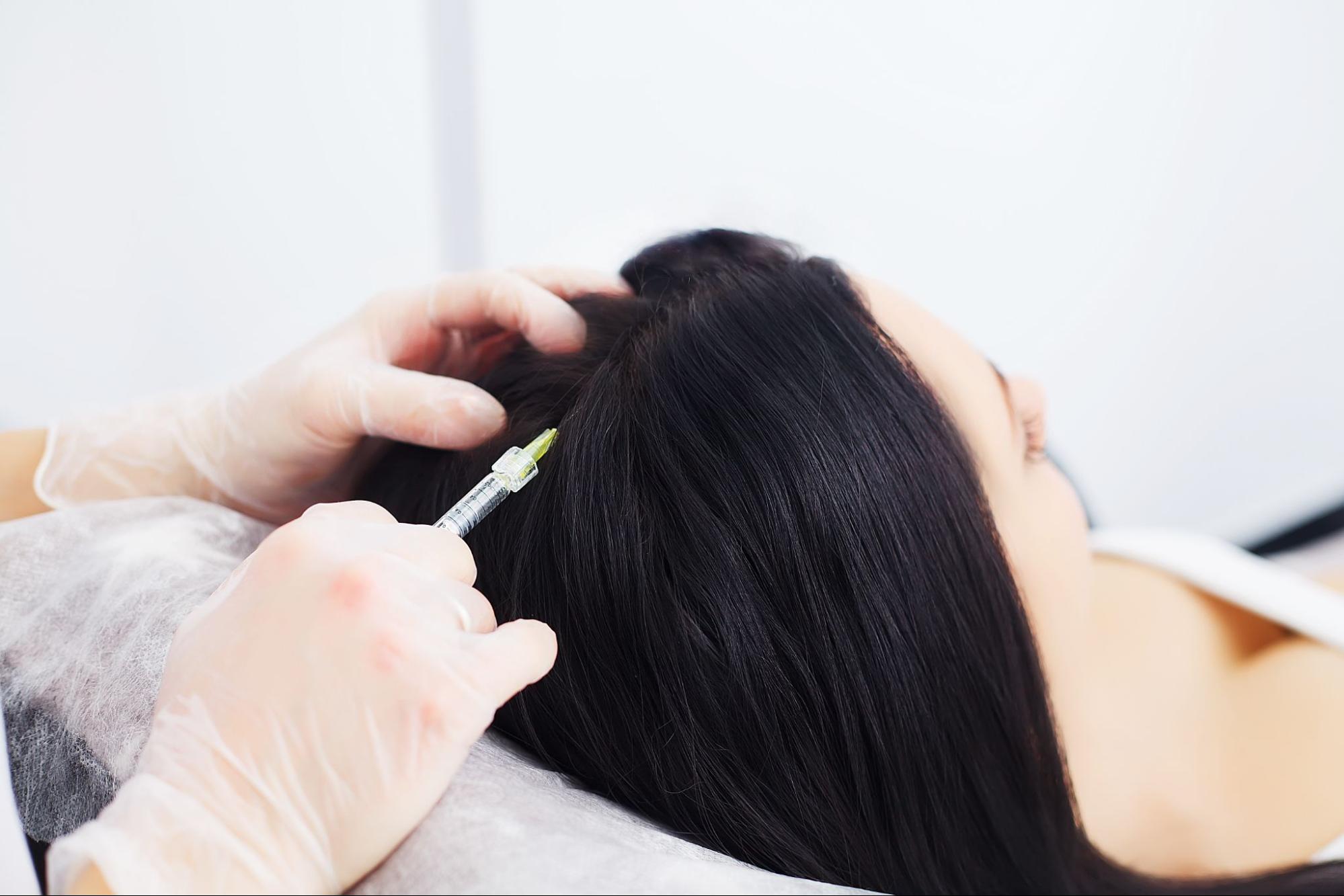
For women experiencing early to moderate thinning, PRP hair restoration is one of the most effective non-surgical options available. Platelet-rich plasma is derived from the patient’s own blood and injected into the scalp to stimulate dormant hair follicles and encourage new growth. Because it uses the patient’s own biology, it is well-tolerated and requires no downtime. A series of treatments is typically recommended, followed by periodic maintenance sessions to sustain results.
PRP is particularly well-suited to patients in the earlier stages of hair loss, where follicles are still active but producing thinner, finer strands. It can also be combined with other treatments for a more comprehensive approach.
A hair restoration consultation involves an evaluation of the scalp, hair loss pattern, and overall health history. This allows the provider to determine whether PRP is the right approach, whether additional treatments may be beneficial, and what a realistic timeline for results looks like.
It is also an opportunity to rule out underlying medical conditions that may be contributing to hair loss — something that is particularly important for female patients, where hormonal and systemic factors play a larger role than in men.
Hair loss in women deserves the same attention and access to treatment that has long been available to men. Learn more about the growing trend of women seeking hair restoration from AZ Big Media.
If you are experiencing thinning hair and want to explore your options, contact our Nashville office to schedule a consultation.