November 17, 2026 Tags: acne scars, laser treatment, Nashville plastic surgery, non-surgical treatments, scar revision, scar treatment
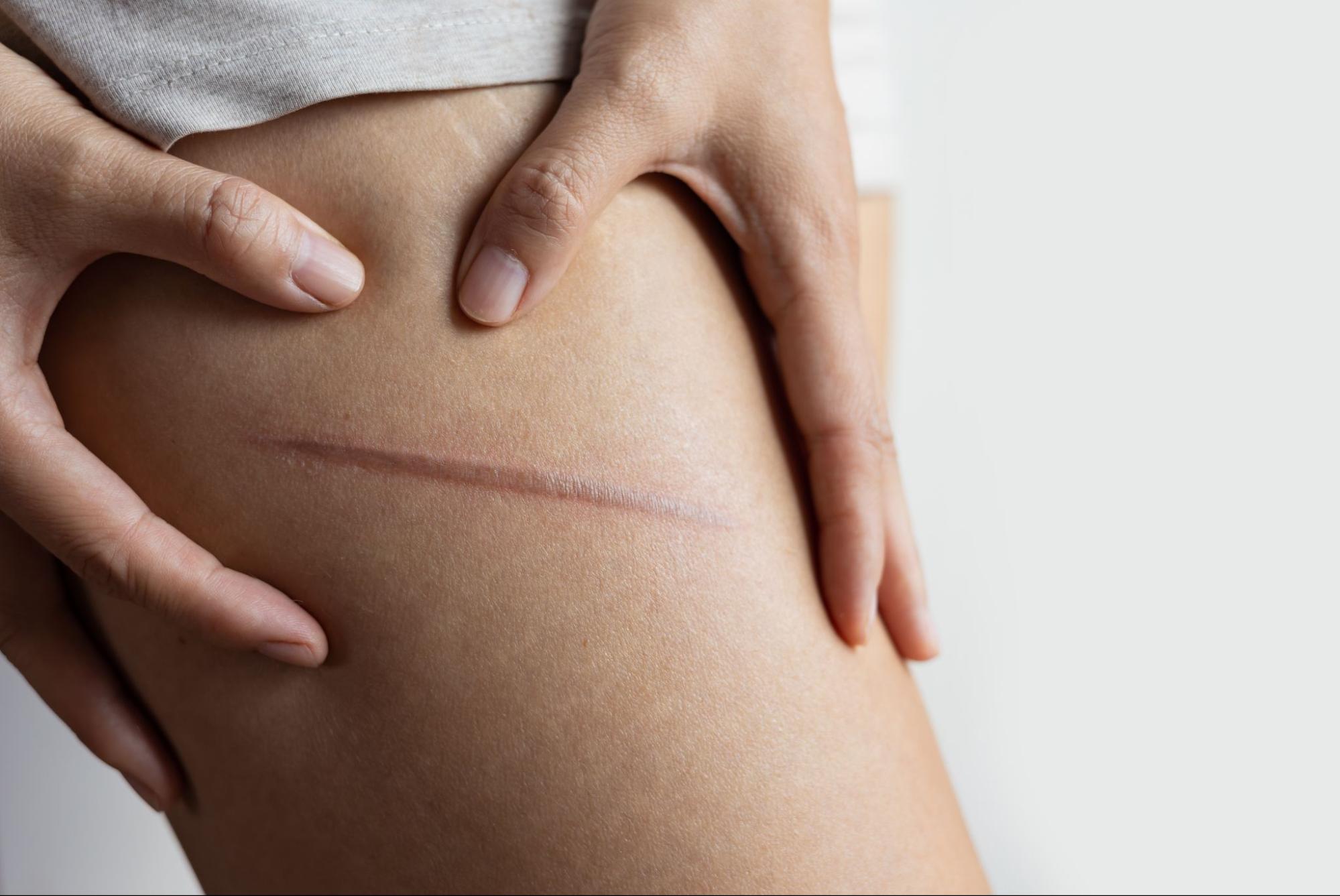
Not all scars are the same, and that’s exactly why so many patients feel frustrated after trying a product or treatment that didn’t do much. A raised, thickened scar responds to a completely different approach than a flat, discolored one, and a scar from surgery behaves differently than one from an injury or acne. Effective scar treatment starts with correctly identifying what type of scar you’re actually dealing with.
According to the American Academy of Dermatology, treatment varies significantly depending on the type of scar, and a proper evaluation is the first step toward choosing an approach that will actually help. You can read the AAD’s full overview of scar types and treatment here.
Raised or thickened scars, including hypertrophic scars and keloids, often respond well to steroid injections, pressure therapy, or silicone sheeting, all aimed at calming the overactive healing response that caused the raised tissue in the first place. Flat but discolored or textured scars, common after acne or minor injuries, tend to respond better to treatments that resurface the skin, such as fractional laser, microneedling, or chemical peels, which stimulate new collagen and smooth out irregularities over time. Deeper, pitted, or indented scars sometimes benefit from a combination approach, including filler to restore lost volume beneath the scar.
A full overview of the specific scar treatments offered at the practice is available on the scar treatment page.
Many scars can be meaningfully improved with non-surgical treatments alone, particularly when caught relatively early. For more established or complex scars, surgical scar revision may be recommended, a procedure that removes the existing scar tissue and closes the area with more careful technique, aiming for a thinner, less noticeable result. Surgical revision is often the better option for scars that are wide, poorly positioned, or that have not responded to non-surgical treatment over time.
Because scars vary so much in cause and appearance, treatment plans are highly individualized, and a single treatment series is rarely a one-and-done process. Most non-surgical approaches require a handful of sessions spaced several weeks apart to build visible improvement, and diligent sun protection over the treated area is essential throughout, since new or resurfaced skin is especially vulnerable to sun-related discoloration.
Whether a scar is from a past surgery, an old injury, or a persistent case of acne, there is very likely an approach that can meaningfully improve how it looks and feels.
To find out which approach fits your scar, schedule a consultation with Dr. J. J. Wendel Plastic Surgery in Nashville at our contact page.