August 25, 2026 Tags: body contouring, fat removal, GLP-1 weight loss, liposuction, Nashville plastic surgery, post weight loss surgery
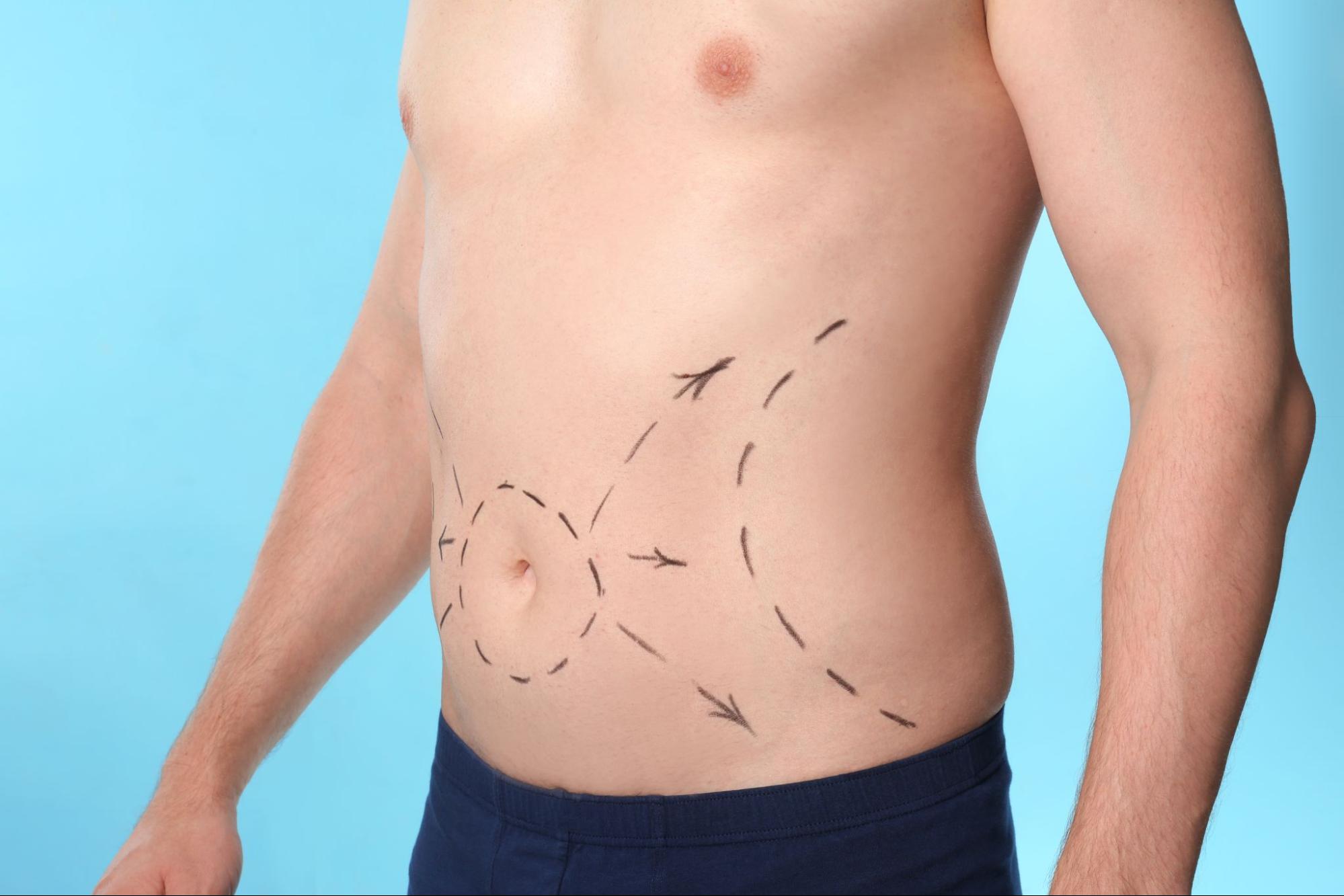
With so much attention on GLP-1 medications, non-invasive skin tightening, and newer body contouring technology, it would be easy to assume liposuction has been eclipsed by newer alternatives. The data says otherwise. Liposuction remains one of the most frequently performed surgical procedures in the country year after year, according to the American Society of Plastic Surgeons, and for good reason: nothing else reliably removes stubborn, localized fat with the same degree of precision and permanence.
Current procedure volume and trends are tracked in ASPS’s annual plastic surgery statistics report.
Liposuction removes fat cells from targeted areas of the body through small incisions, using a thin cannula to break up and suction out fat that has not responded to diet or exercise. It is not a weight-loss procedure and is not designed to treat obesity; rather, it is best suited for patients who are already at or near a stable weight but have specific pockets of fat, in the abdomen, flanks, thighs, arms, or neck, that remain disproportionate to the rest of their body.
A full breakdown of treatment areas and technique is available on the liposuction procedure page.
One of the more notable shifts in recent years is how frequently liposuction is now combined with other procedures rather than performed alone. As more patients complete significant weight loss through GLP-1 medications or bariatric surgery, liposuction is increasingly used to refine and finish results alongside a tummy tuck, arm lift, or thigh lift, addressing areas of stubborn fat that remain even after substantial weight loss.
It also continues to serve patients who have never pursued major weight loss but have genetically stubborn areas, such as the flanks or inner thighs, that simply do not respond to lifestyle changes.
To see how liposuction fits alongside other body contouring options, visit the body procedures page.
Liposuction is generally an outpatient procedure performed under anesthesia, with recovery time depending on the number and size of areas treated. Most patients wear a compression garment for several weeks to help the skin adapt to its new contour and manage swelling. Light activity typically resumes within a few days, with more strenuous exercise restricted for three to four weeks. Final results become apparent as swelling resolves, usually within three months, though subtle refinement can continue for up to six.
For the right candidate, liposuction remains one of the most dependable ways to achieve the kind of targeted, lasting contour change that diet and exercise alone cannot produce.
To find out whether you’re a good candidate, schedule a consultation with Dr. J. J. Wendel in Nashville at our contact page.