September 22, 2026 Tags: skin resurfacing, Nashville plastic surgery, chemical peel, skinhaus beauty, non-surgical treatments, sun damage, melasma
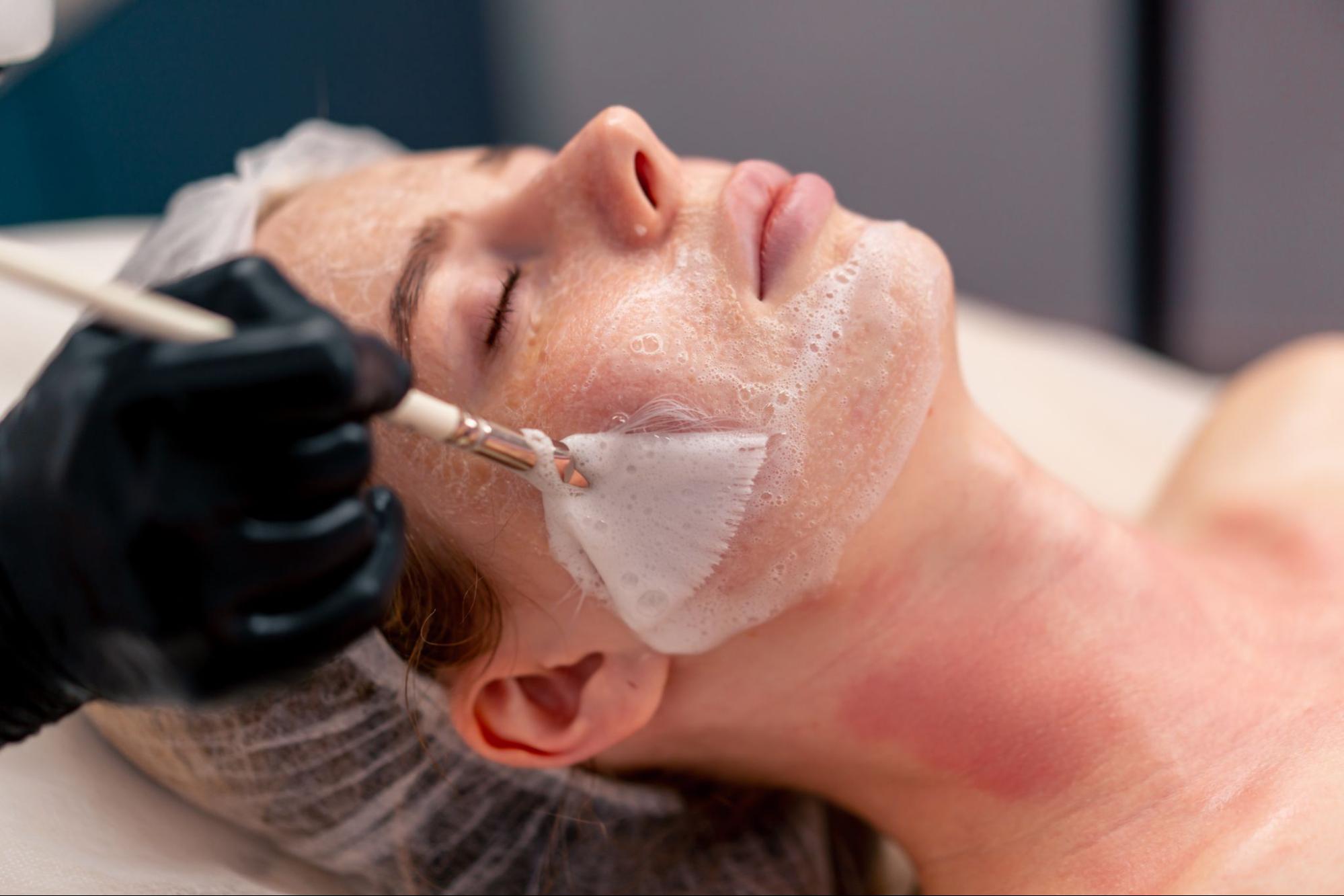
After a summer of sun exposure, humidity, chlorine, and salt water, September is when many patients start noticing the cumulative effect on their skin: uneven tone, dullness, clogged pores, and the first signs of sun damage becoming visible. A chemical peel is one of the simplest, lowest-downtime ways to address all of it at once, resurfacing the skin’s outer layers to reveal a smoother, more even complexion underneath.
According to the American Academy of Dermatology, chemical peels are used by dermatologic providers to diminish visible signs of aging and treat a range of skin conditions on the face, neck, chest, and hands, making them one of the more versatile tools in non-surgical skincare.
You can read the AAD’s full overview of chemical peels and what they treat at their patient guide to chemical peels.
A chemical peel works by applying a controlled chemical solution to the skin, which causes the outermost damaged layers to lift away over the following days. As those layers shed, fresh, healthier skin cells are revealed underneath. The result is a visible improvement in tone, texture, and clarity, along with a reduction in fine lines, sun spots, and the appearance of acne scarring, depending on the depth and type of peel used.
Details on the specific peel options offered at the practice are available on the chemical peel treatment page.
Not all chemical peels are the same, and matching the right depth to the right concern matters. A lighter peel is well suited for patients who want a quick refresh with essentially no downtime, ideal for mild dullness or minor texture concerns. A deeper peel penetrates further into the skin and can meaningfully improve more stubborn concerns like melasma, sun damage, or acne scarring, though it comes with several days of visible peeling as the skin heals.
A consultation is the best way to determine which option fits your skin and your goals, particularly for patients managing melasma or post-inflammatory pigmentation, which often benefit from a combination approach involving peels alongside other treatments.
More on how peels are combined with other skin treatments is available on the medical aesthetics and laser treatments page.
Lighter peels typically involve little more than mild redness for a day, with patients often returning to normal activities immediately. Deeper peels can involve visible peeling for three to seven days, during which the skin should be kept out of the sun and treated gently while it heals. Regardless of depth, diligent SPF use afterward is essential, since freshly resurfaced skin is more vulnerable to sun damage than skin that has not been treated.
For patients looking to undo some of the wear summer left behind before the holiday season arrives, a chemical peel is one of the most efficient places to start.
To schedule a skin consultation, contact Dr. J. J. Wendel Plastic Surgery in Nashville at our contact page.